
Lawn Tips
Greenbird Lawn 6/2/24
Hitchhiker’s Guide to a Great Lawn
Set it high and let it fly!
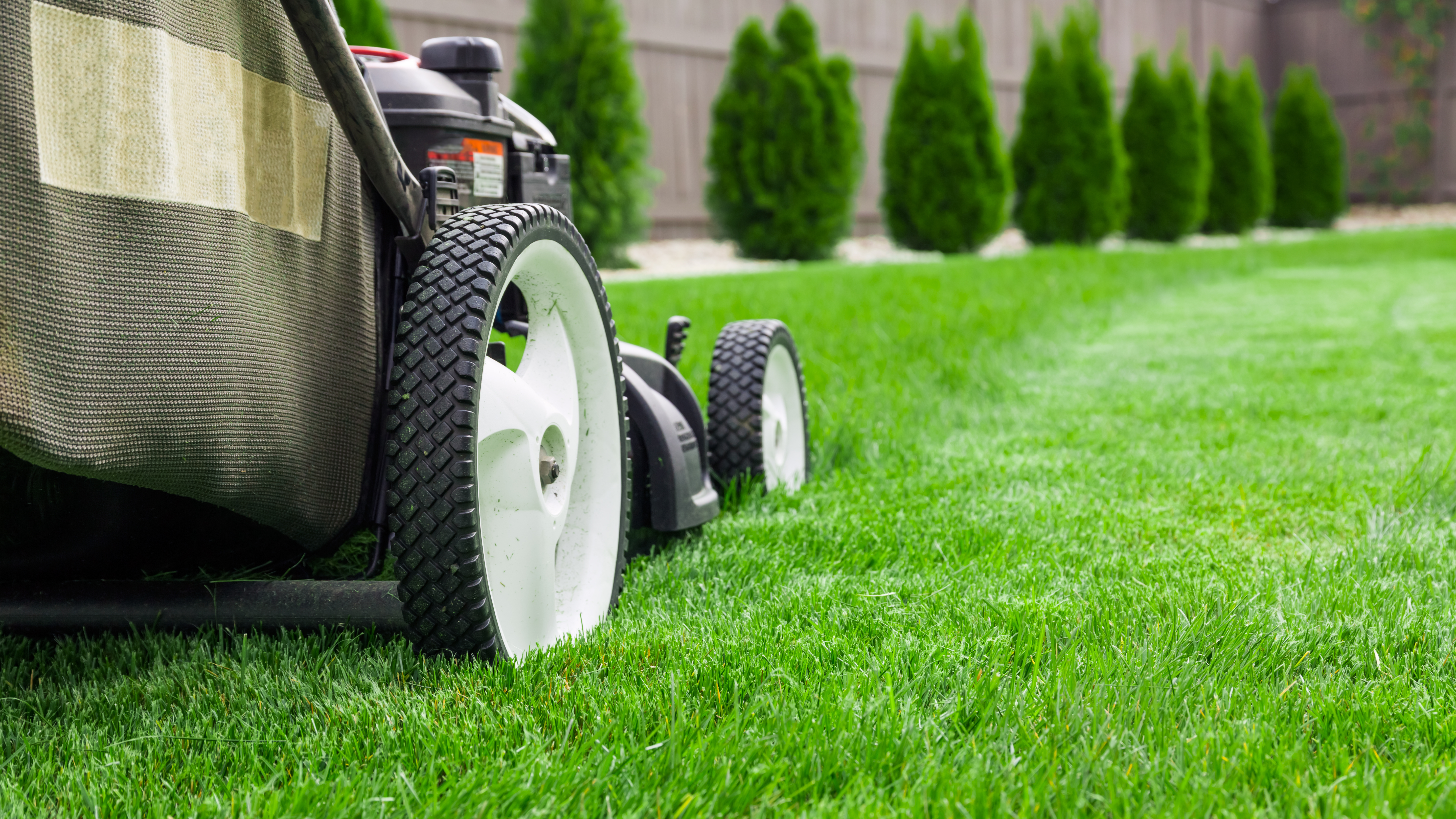
- Mowing Height: Cool-season grasses (like Kentucky bluegrass, perennial ryegrass, and tall fescue) perform best when mowed at a height of 3 inches or more. Set your mower to 3 inches (or the highest setting) and maintain this height consistently throughout the year.
- Frequency: Avoid cutting more than one-third of the leaf blade in a single mowing. For a 3-inch mowing height, mow when the grass reaches around 4 inches. Adjust the frequency based on the season.
- Clippings: Returning grass clippings is beneficial! Bagging clippings can be time-consuming, so leaving them on the lawn recycles nutrients back into the soil. Mulching mowers work well for this purpose.
Less is more.
During most summers in the Midwest, it’s essential to water your lawn to maintain color and density. Here are some guidelines:
- Water only as needed when the lawn shows signs of water stress, such as a bluish-gray color or depressed footprints.
- In early summer, irrigation might be necessary once every 2 to 3 weeks, but in August, consider watering twice per week.
- If your lawn is dormant (turned brown) due to lack of irrigation, apply 1/2 inch of water every 3 to 4 weeks to prevent significant thinning.
- Once rains return, the lawn will gradually regain its green color.
Invest in a good spreader.
A good spreader comes down to one thing, reliability. Investing in a quality tool will give you a consistent end result and help you avoid seasons of frustration. When choosing a lawn fertilizer spreader, consider these factors:
- Capacity: Choose a spreader with sufficient capacity to cover your yard without frequent refilling.
- Type: Decide between broadcast spreaders (for larger lawns) and drop spreaders and hand spreaders (for precise application).
Patience is a virtue.
Mother Nature does what she wants, when she wants. The toughest obstacle for any beginner is having to wait a couple seasons or year to see the fruits of your labor. Trust the process and follow the product labels and industry experts. Over fertilizing, watering, and mowing too short with too much time in between cuts can set you back a whole season or year. Remember why its called a lawn program and not a project. The weeks are slow and the seasons are fast but having some great habits in place will pay off before you know it!

